30 years bags Factory
sunteam
Custom Bag ManufactureR
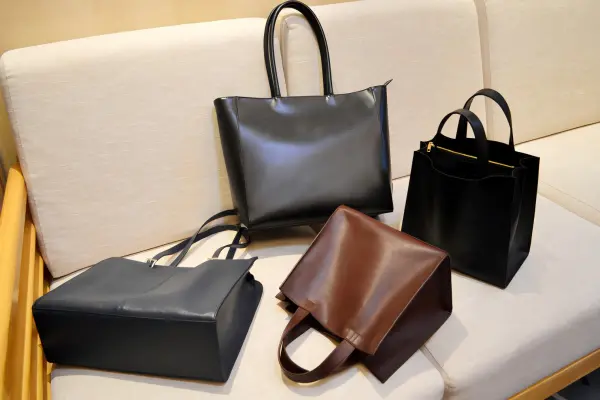
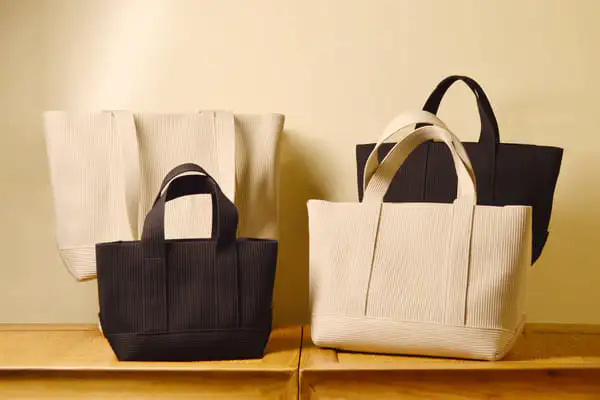
Custom for Tote , Backpacks, travel, handbag … from leather, PU, canvas, nylon To Eco-friendly bags, provide professional one stop OEM/ODM service. Help your brand stand out.
BAGS Manufacturer
Supply chain services to help new bag brands, we help customers design, select materials, make samples, and provide full-process services to production. We support Low MOQ and help amazon shopify selllers and offline brands.
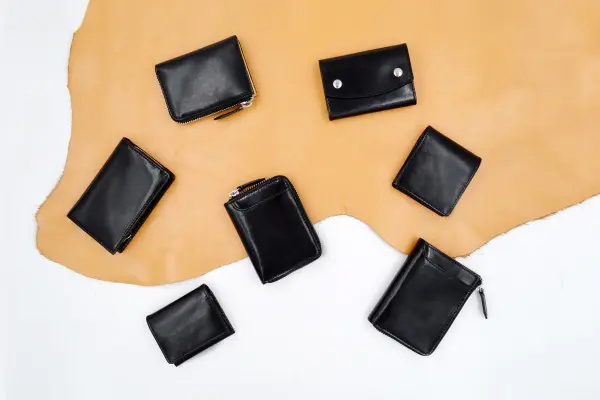
WALLETS
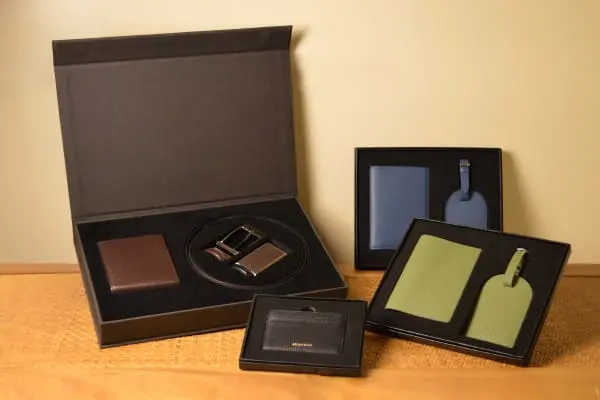
Manuifactur services for traditional classic wallets and mordern think wallets, RFID and other functional wallets. 30 years of designing and producing wallets, provide options for variety of wallet styles and high tech fuctions.
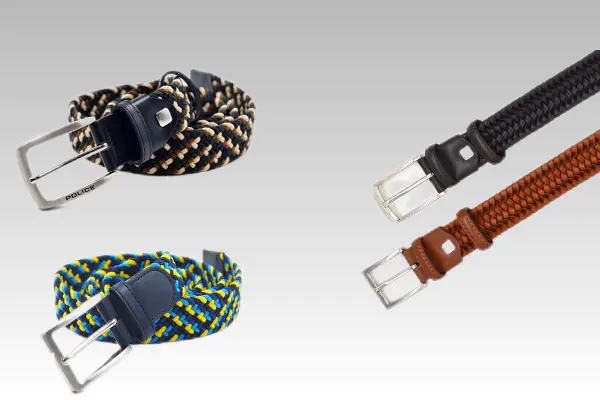
BELTS
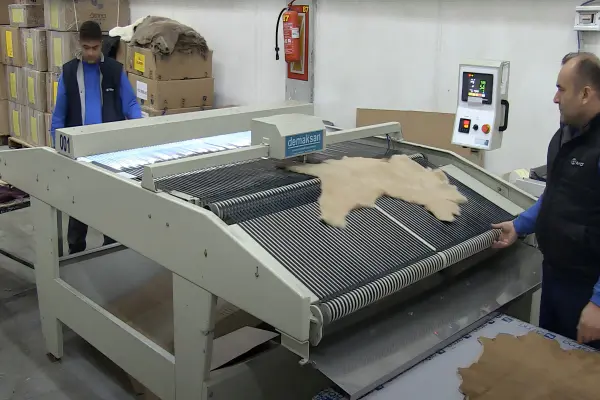
Equipped with German advanced material testing machine to automatic cutting machine, etc., the monthly production capacity is about 700,000 pcs. Efficiently produce all kinds of belts to meet the needs of large-scale orders and brand customization.
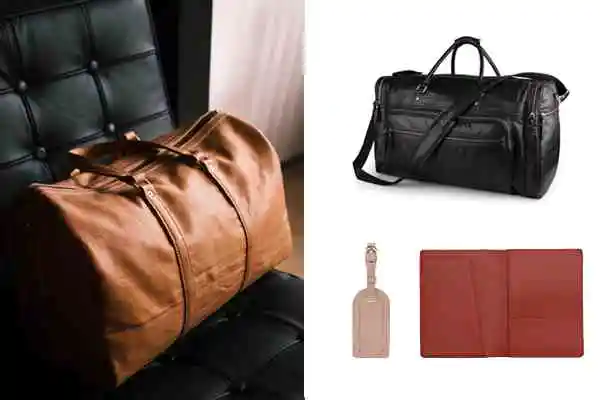
Travel bag products
Professional travel bag designers help start-up e-commerce brands launch new products. Provide REACH, ISO 9001, BSCI and LWG certificates to meet international export standards, strict quality control process, customized kind of travel products.
TOP LEATHER PRODUCTs Manufacture
Leather Selection
ITALY: Italian office 30 years + experience professional leather picker to purchase a variety of high-quality Italian leather, including BUTTERO, PUEBLO, Adria, Albalux, Bridle, etc.
BANGLADESH: Has bag factories and tanneries to provide a wide range of commonly used bag leathers, including ZOE LEATHER, ETRIER LEATHER, HAVANA, GUANTO, etc.
CHINA:In Guangzhou, China, our company has a special office dedicated to finding quality leather for you. Supply a wide range of choices, including lychee grain, plain grain, palm grain and other textures, as well as different materials such as genuine leather, PU, microfiber, and eco-friendly vegan leather, to fit your various needs.
Hardware Selection
20+ quality hardware brands to partner with, whether high-end luxury or value-for-money options, to fit your wide range of hardware material, design and craftsmanship needs.
Zipper Procurement: high quality, cost-effective zipper brands including YKK/Talon/RIRI/SBS/YCC/Lampo/KCC
Rush Button Procurement: with fast opening and closing, firm and safe, high-end durable, aesthetic and stylish rush button materials such as: HASI HATO and Italian rush button
Other Accessories Sourcing: magnetic snaps, D-rings, dog buckles, rivets, studs, metal plates, buckles, chains, etc., all from global famous brands, including: Coats, RiRi, Mona, Lampo etc….
Sustainable Support
Green Packaging: Support you to provide green packaging and help you to save cost by using recycled paper, biodegradable plastic and non-toxic dyes and other eco-friendly materials.
Eco-mark: Provide bag weaving mark print service, and the brand show the concept of sustainable development. Consumers can clearly understand that your products are made of green materials, showing the brand’s sense of responsibility.
Eco-friendly Fabrics: Provide organic or recycled materials: e.g. vegan leather, organic cotton, recycled polyester, recycled nylon (e.g. Repreve) and other eco-friendly fabrics.
Recycled Hardware: Hardware accessories (e.g. grommets, zippers, dog buckles, etc.) are free of hazardous substances such as cadmium, lead, etc., and have passed the Nickel-Free Certification and ISO 9001.
Exquisite Bag Craftsmanship
Edge Oil Selection:Uses Italian imported edge oils, including: Il Re del Cuoio, Obenauf’s, Renapur, Saphir Médaille d’Or, etc.
Patchwork: Splicing of multiple materials such as leather, canvas, nylon, etc.; multi-color splicing with Pantone color card options; vintage style splicing; functional splicing.
Machines and Equipment
Equipped with advanced equipment.
Automatic Cutting Machines: mainly from Gerber Technology of Germany and Lectra
Sewing Machines: JUKI and Brother of Japan and Pfaff of Germany.
Hot Presses: Carlessi from Italy and Schott from Germany.
Custom Logo
Business/Premium brand: Embossing / Debossing、Metal Plate Logo、Laser Engraving Logo.
Casual/trendy brands: Embroidery、Silk Screen Printing、Woven Label、Silicone Patch Logo.
Sports/Outdoor Brands: Rubber Patch、TPU、Embroidery Logo.
Sunteam adheres to a high standard of production management, strictly controlling each step of the process from raw material testing to finished products.
Raw Material Testing
The lining is measured in the factory using a yardage machine, and the leather is analyzed using FTIR to ensure that there are no harmful substances (e.g., chromium, heavy metals, etc.), and is subjected to a wet and dry rubbing test to ensure that it is resistant to abrasion and does not lose its color.
Production Process Control
The quality of the bags is strictly monitored at every stage of production, including leather cutting, sewing, hardware assembly, etc. Quality checks are carried out at the end of each process to ensure that each finished product follows the design requirements and quality standards.
Process Standardization
All production processes have standard operating procedures (SOPs), which workers must strictly follow to ensure that each process is operated in a standardized manner and to avoid quality fluctuations caused by human differences.
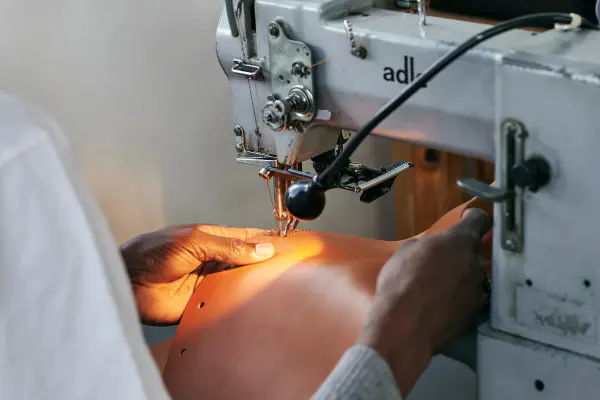
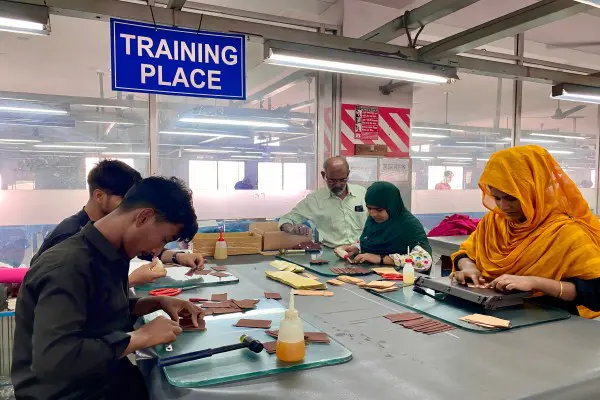
Through standardized craftsmanship, fine quality inspection and quality tracking, we guarantee that our products are durable, beautiful and satisfy the high-end needs of our customers.
Quality Tracking and Rrecording
Detailed quality tracking data will be recorded for each batch of products, including production date, production shift, material batch and other information, which facilitates later traceability and ensures continuous improvement of product quality.
In-process Inspection
Multiple inspection stages are set up, including inspection after the completion of the first process, inspection in the middle process, and final inspection of the finished product, to ensure that there are no quality problems in each stage of production.
Production Staff Training and Motivation
Conduct regular quality management training for production staff to raise awareness of quality and ensure that each employee is incentivized to observe strict quality control requirements.
What can we offer to SMB Clients?
If you are a SMB on Rakuten、Amazon、Yahoo、Zozo、Macy’s、Saks、Fifth Avenue etc…, Sunteam provides you with full process support, from product selection (or providing design drawings), to production, to logistics, to help you get started quickly and grow steadily.
Low MOQ
Support flexible MOQ and collaborate to provide the best solutions for your business.
Sample Development
Provide rapid sample production, 7-day sampling, and optimization based on customer feedback to ensure that the final product reach the expected standards.
Product Packaging Customization
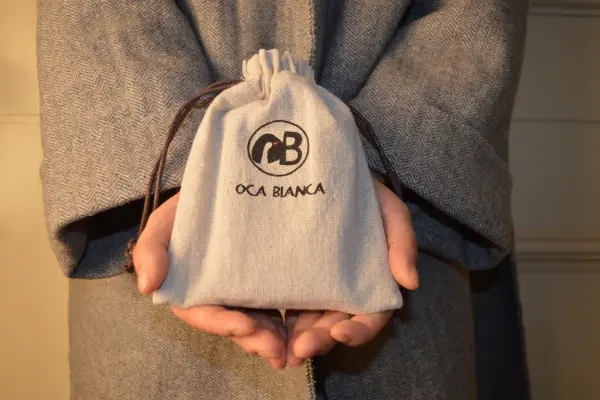
Provide personalized or standardized packaging for products: cotton, linen, non-woven fabrics, kraft paper, PVC, flannel bags or high-end gift box packaging.

Customized Design
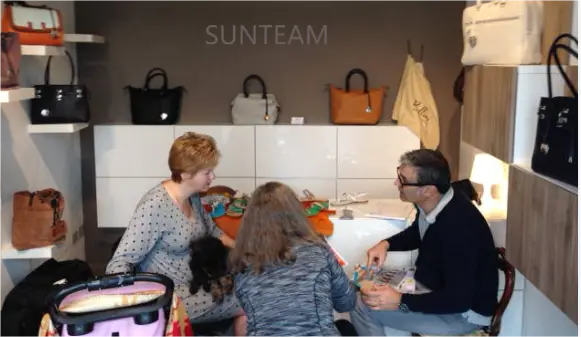
Provide new brand customers with technical guidance and design support from Italy, offering one-on-one design consulting services to ensure that each product meets their brand style and market demand.
Help Your Website Earn 5-Star Reviews
Pay close attention to the bad reviews on our clients’ websites and target our analysis and product improvements to ensure timely adjustments in design, quality or service to improve customer satisfaction, which ultimately translates into positive reviews.
Labeling & Branding Options
Add brand labels, bar codes, specification labels, or other informational labels. These labels can be fabric labels, leather labels or paper labels, etc. Services
Warehouse Support
Directly delivered to your designated warehouse or a place where goods can be stored free of charge, so that you can ship in batches (if made in China)
Comprehensive Custom Bag Solutions for Enterprise Clients
Large-Scale Bag Production
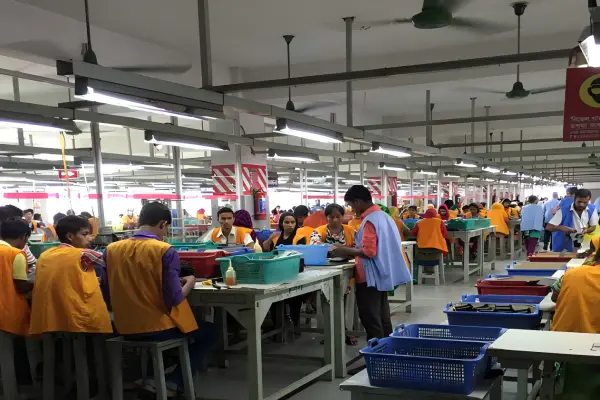
With a well-established Bangladesh bag factory, 580+ skilled workers, we offer large-scale bag manufacturing with a monthly capacity of up to 100,000 custom bags.
Provide the Factory Certifications you need
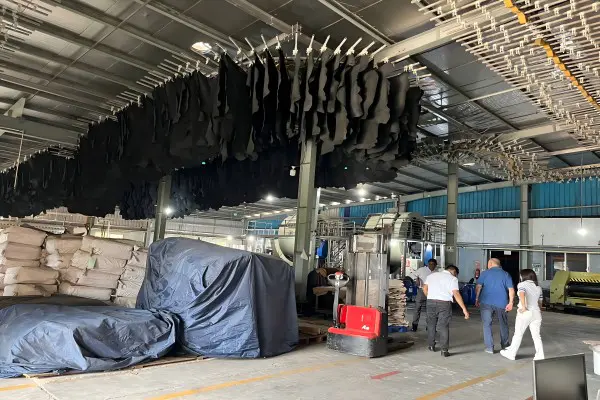
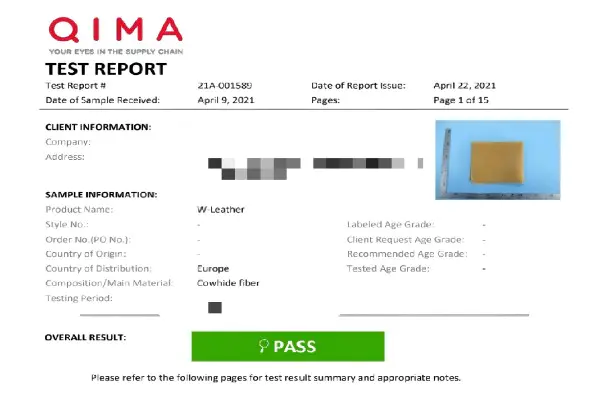
On-site inspection of bag factories, including:production line inspection, qualification verification, and sample quality testing, to ensure that the technical ability, production capacity, quality control, environmental standards and labor conditions are in line with international requirements, and to provide factory inspection qualifications and related certificates.
Optimization of material procurement
Long-term partnerships with over 50 leather and accessory suppliers, we ensure high-quality materials while controlling procurement costs.
Additionally, with our own leather factory, we have greater control over quality and costs during bag bulk production.
Eco-friendly and sustainable options
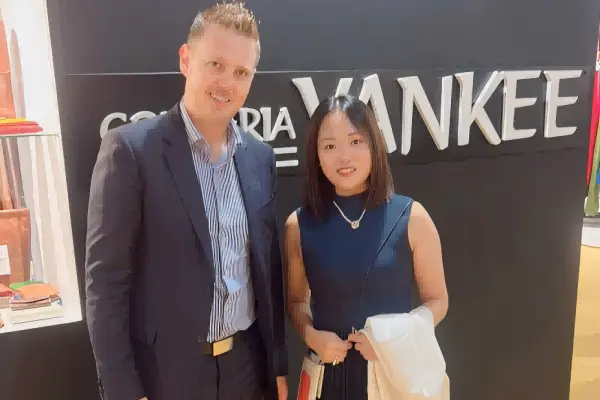
Sunteam sources leather from Yannkee, an LWG-certified supplier, ensuring traceable and environmentally responsible leather, offering customers high-quality and sustainable bag solutions.
Quality
Italian management and technical personnel with over 30 years of experience guiding the production to make sure that no piece of substandard product goes out of the factory and no bad review appears on your website.
Material Testing
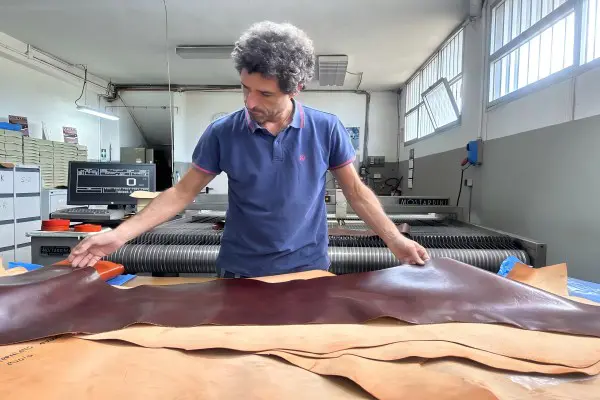
All raw materials are thoroughly tested upon arrival to ensure they meet our high standards.
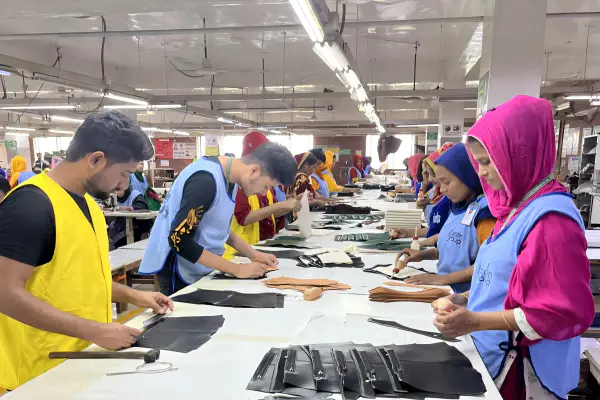
Production Line Supervision
On the production floor, we enforce strict supervision and inspection procedures. Our workers undergo professional training and are held to a rigorous evaluation system to ensure each step meets our standards
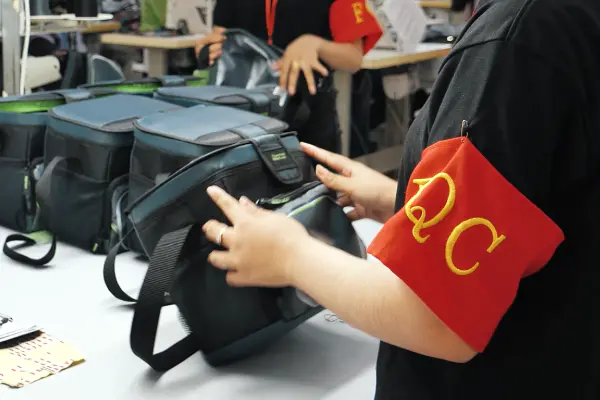
Multiple Quality Checks
Implement four levels of QC checks, along with random inspections by clients, to ensure every product undergoes thorough scrutiny.
Cost
No Middleman
Directly cooperate with Sunteam, no middleman markup, our own factory can provide more competitive price.
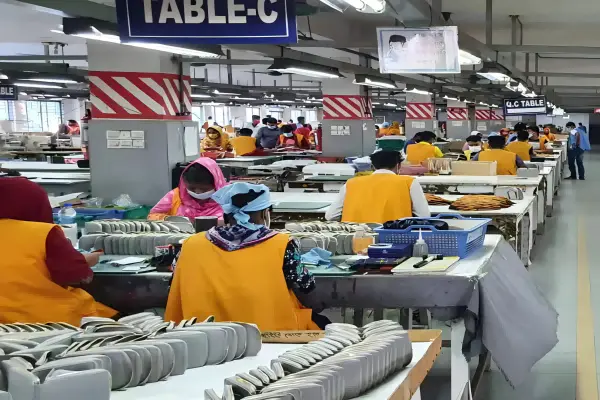
Low Labor Cost
Bangladesh has 580+ skilled workers and low local labor costs, which helps customers significantly reduce the cost of bag production.
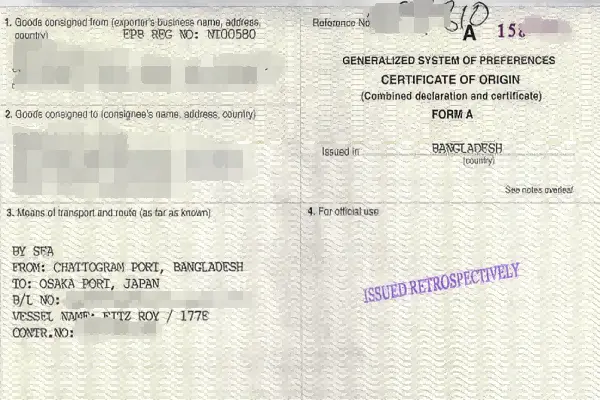
Duty-free Policy Support
Bangladesh’s leather bag export duty-free policy further reduces costs and helps you get more competitive bag production prices.
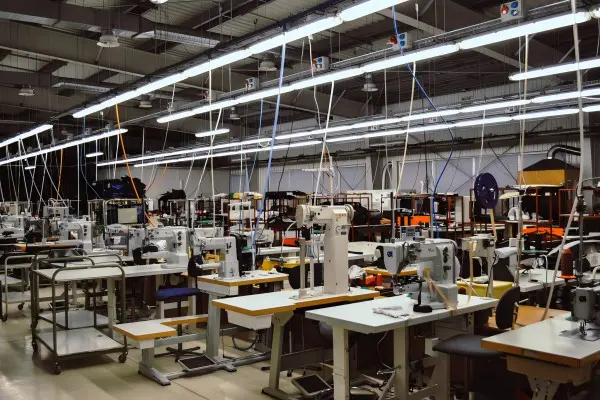
Intelligent production to improve efficiency
Using machine automation to increase mass custom bag production efficiency and reduce waste, thus lower the bag manufacturing cost.
Details Determine Success
global Bag factory
Factory is in Dhaka, Bangladesh, employing over 600 workers with an output of 100,000 pieces per month, which provides us with a primary cost advantage and confidence. We also have an Italian office located in the world-famous leather center. This proximity allows us to acquire the latest industry information and facilitates the export of high-quality Italian leather. Under the guidance of our experienced Italian technician, who specializes in leather products, workmanship, and design, we are confident in our ability to manufacture excellent leather products.
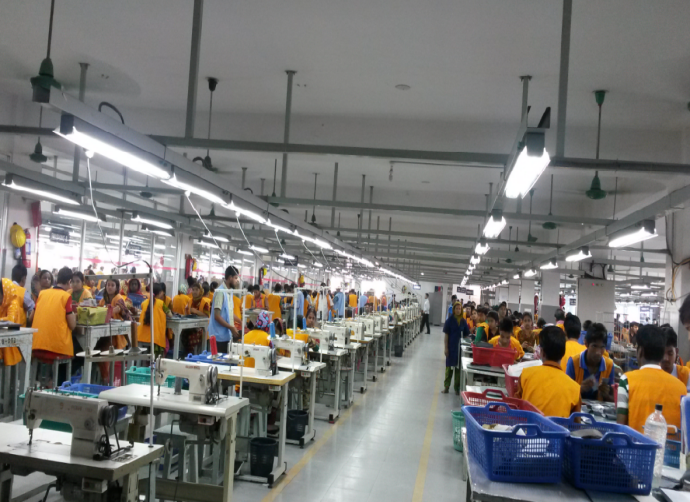
Bangladesh Leather Products Factory
Our Bangladesh factory offers comprehensive OEM/ODM services, covering everything from design development to large-scale production.
- Various production lines: 8 production lines
- Monthly production capacity: 100,000 wallets
- Factory area: 125,000 square feet, across 4 floors
- Quick turnaround: Supported by 300+ production staff
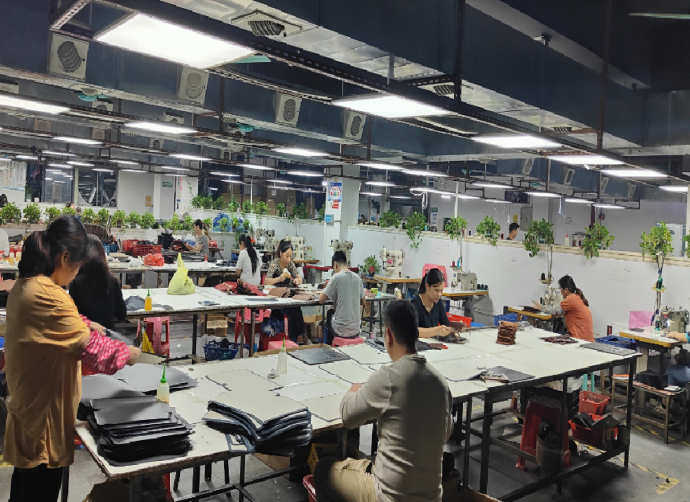
Sunteam Headquarters in China
Sunteam serves as our headquarters in China, focusing on market development, material procurement, order tracking, and customer support as a prominent leather goods supplier.
- Monthly production capacity: 75,000 wallets / bags
- Factory area: 3,500 square meters
- Dormitory space: 900 square meters
- Dedicated workforce: 230+ well-trained employees
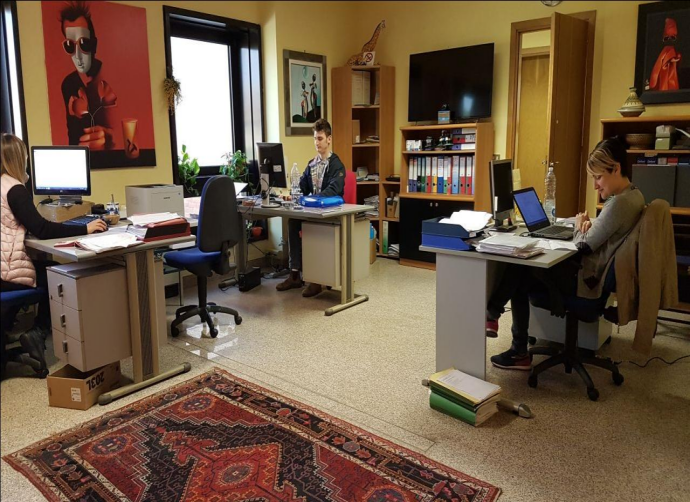
Italian Office
Our Italian office streamlines the ordering and import of premium Italian leather, strengthening our leadership in leather goods.
- Team strength: 15 experienced staff members
- Leather types: Yankee SRL leather, camel leather, cowhide
- Testing & Certifications: GTT, BSCI, ISO certifications
workers
pcs per month
Country of sale






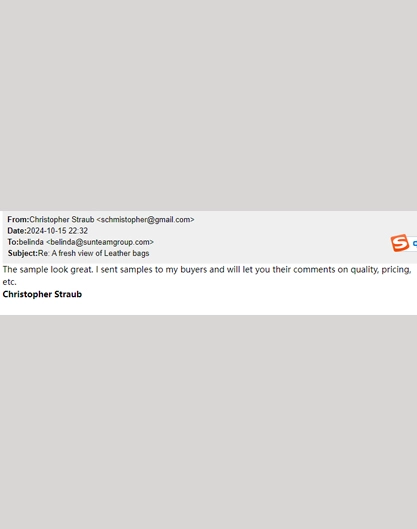
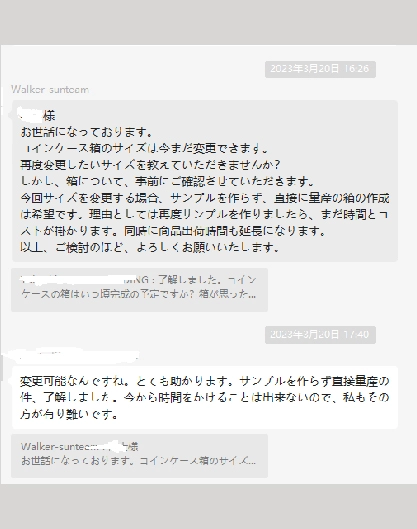
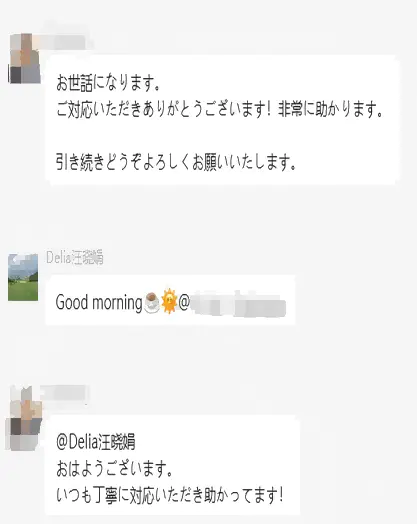
WHAT OUR CUSTOMERS SAY ABOUT OUR SUNTEAM BAGS
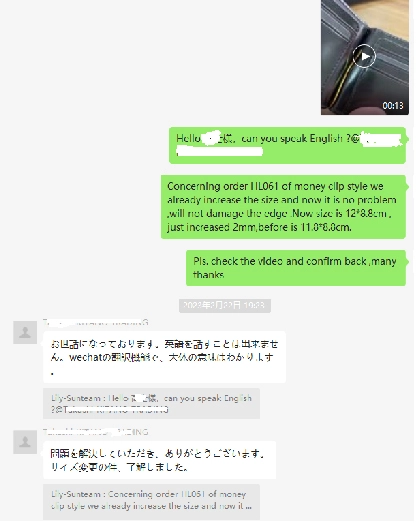
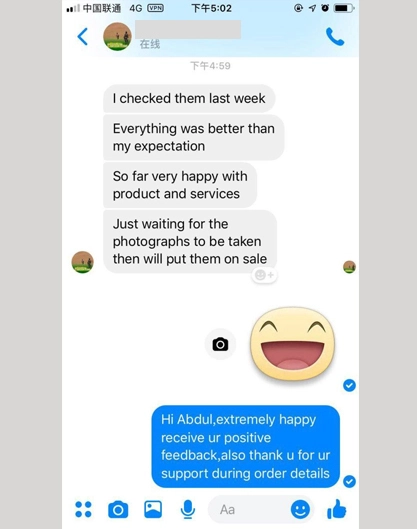
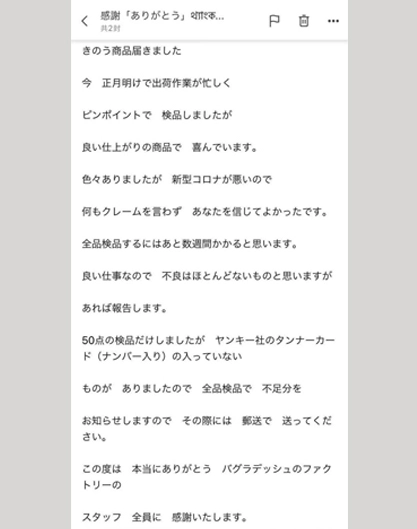
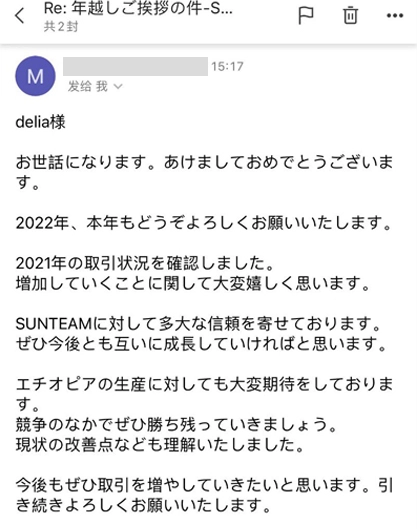
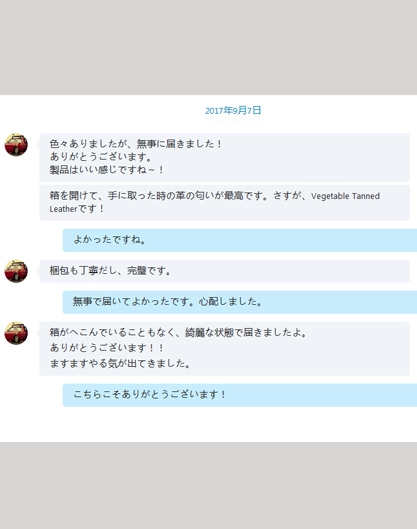
Sunteamと協力を始めて以来、彼らが提供される革製品の品質終始一貫高く、耐久性に優れ、私たちの高基準にもしっかりと合致しています。
Sunteam is very professional, with smooth communication, always able to respond to our needs and issues in a timely manner, making the entire collaboration process very smooth.
I have been collaborating with Sunteam for over ten years, and they always deliver on time, which is crucial for our production schedule. We appreciate their reliability!
Make your Own Bag Brands Today!
Get In Touch
+86-27-85570058
Location
Room# 101, Building#3, LanHai Garden, Huai Hai Road, Jiang Han District, Wuhan City, Hubei, China, 430015