
Not all “Eco-friendly” bags are the same. A vague green label on a product page rarely tells you what makes a material sustainable, durable, or worth your money.
Maybe you’re a shopper trying to decide between an organic cotton tote and a recycled polyester option. Or a buyer sourcing materials for a private-label bag line. Either way, the choices (canvas, jute, hemp, cork, Piñatex) feel overwhelming. This guide cuts through the marketing noise and explains how to choose the best eco-friendly material for everyday bags based on four real factors: sustainability impact, durability, cost, and use case.
By the end, you’ll know which material fits your needs. No guesswork, no greenwashing.
What Makes a Bag Material Truly Eco-Friendly
A material is only eco-friendly if it meets five criteria: raw material source, water and energy use in production, recyclability, biodegradability, and chemical processing methods. Skip any of these, and you’re likely looking at a marketing claim.
Look for Real Certifications
Certifications separate authentic recycled fabric for bags from empty claims:
-
GOTS (Global Organic Textile Standard) verifies organic fiber content and restricts harmful chemicals in processing.
-
GRS (Global Recycled Standard) confirms actual recycled content in materials like recycled polyester bags.
-
OEKO-TEX® tests for harmful substances, so the final product is safe for skin contact and the environment.
If there’s no certification badge, ask the supplier for test reports. Legitimate Manufacturers provide them without hesitation.
Consider the Full Lifecycle
True sustainability tracks a material from cultivation or extraction, through manufacturing, into daily use, and finally disposal. A jute Bag material might grow with minimal water, but poor dyeing processes can undo that benefit. Always weigh the full lifecycle impact.
Organic Cotton — Best for Soft, Everyday Washable Totes
Softness sells organic cotton. This fiber grows without synthetic pesticides or fertilizers, and GOTS-certified farms cut water use by roughly 91% compared to conventional cotton cultivation, according to Textile Exchange data. That’s a meaningful gap when you’re comparing an organic cotton tote Bag against standard cotton alternatives.
Where Organic Cotton Excels
This material works best in a few specific situations:
-
Daily grocery runs — lightweight enough to fold and stash in a car or bag
-
Machine-washable needs — holds up to repeated washing without losing shape
-
Skin-contact use — GOTS certification restricts harmful chemicals, making it safe for direct contact
-
Printed branding — smooth surface takes screen printing and embroidery well
The tradeoff: durability caps out lower than canvas or jute. Organic cotton fibers are softer and shorter, so heavy loads (think 15+ pounds of books or produce) stress the seams faster than sturdier alternatives.
Cost and Sourcing
Expect to pay $3-8 per unit for wholesale organic cotton totes, depending on GSM weight and order volume. Brands like Baggu and ECOBAGS built entire product lines around this material, proving the market rewards simplicity over flashy technical fabrics. For buyers comparing canvas vs cotton bags, organic cotton wins on comfort and certification transparency. Canvas wins on load capacity.

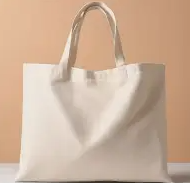
Canvas / Cotton Canvas — Best Balance of Durability and Price
Canvas earns its reputation through sheer tensile strength. Woven at 12-18 oz per square yard, cotton canvas packs fibers tighter than standard cotton, which translates directly into abrasion resistance. That tight weave means canvas shrugs off rough handling, resists snags, and holds its shape after months of daily use.
Structural Details That Extend Lifespan
The real durability advantage comes from construction choices, not just the fabric itself:
-
Double-stitched seams distribute stress across a wider surface, preventing the rip-outs that plague single-stitched cotton bags
-
Wide, reinforced straps (1.5 inches or more) reduce shoulder pressure and prevent strap failure under heavy loads
-
Tighter weave density blocks moisture penetration better than loose-weave organic cotton
Compare this to standard cotton totes: canvas handles 20+ pounds without seam stress, while lighter cotton fabrics start showing wear at half that weight.
Maintenance and Ideal Use Cases
Canvas isn’t machine-wash friendly like organic cotton. Spot cleaning works better — heavy washing can warp the stiff structure over time. That maintenance tradeoff suits specific users well:
-
Daily commuters carrying laptops or work files
-
Grocery shoppers hauling multiple heavy bags at once
-
Frequent travelers needing a bag that survives baggage handling
For anyone comparing canvas vs cotton bags, canvas wins when durability matters more than easy care.
Recycled Polyester (rPET) — Best for Water Resistance and Urban Use
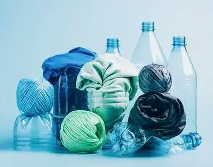
Plastic bottles turn into bags. That’s the entire pitch behind recycled polyester bags, and it works. Each rPET fabric roll starts as discarded PET bottles that get shredded, melted, and re-spun into polyester fiber. This process cuts petroleum use compared to virgin polyester and keeps plastic waste out of landfills and oceans. For buyers sourcing recycled fabric for bags at scale, rPET gives you a documented, traceable supply chain — something harder to verify with plant-based biodegradable materials.
Built for Wet Climates and City Commutes
Water resistance sets rPET apart from cotton and canvas. The tightly-woven synthetic fibers repel light rain and spills without soaking through, so it’s ideal for rainy season commuters who need dry laptops and documents, urban cyclists exposed to splashback and sudden weather shifts, and gym bags and travel totes that face sweat, spills, or condensation. rPET also weighs less than cotton canvas at similar strength, so your shoulder won’t get as tired on long commutes.
Pricing Compared to Other Materials
Wholesale rPET bags run $2.50-6 per unit, landing below organic cotton totes and often below jute options too. That price advantage, combined with durability, makes rPET a practical middle-ground choice and one of the more budget-friendly sustainable fashion accessories on the market today.
Jute — Best for Lightweight, Budget-Friendly Natural Bags
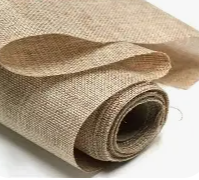
Bangladesh and India grow over 90% of the world’s jute supply, and the plant barely needs irrigation. That’s the core appeal: jute is one of the fastest-growing natural fibers on earth, requiring minimal pesticides and almost no synthetic fertilizer compared to cotton. It also breaks down completely within weeks in composting conditions, which makes it one of the more genuinely biodegradable bag options on the market.
Where Jute Falls Short
Jute isn’t built for every use case. Two limitations matter most:
-
Weak against moisture — untreated jute absorbs water and can mildew if left damp
-
Poor load capacity — heavier items (over 10 pounds) stress the coarse weave faster than canvas or cotton
The rough, natural texture also isn’t for everyone. Some shoppers love the earthy, rustic look. Others want a smoother finish for branded retail products.
Cost Advantage Over Other Natural Fibers
Jute wins on price. Wholesale costs typically run $1.50-4 per unit, undercutting organic cotton and canvas. For B2B buyers sourcing sustainable fashion accessories in bulk, that lower cost makes jute a practical choice for promotional totes, gift bags, and light grocery carriers where budget matters more than heavy-duty strength.
Hemp — Best for Premium Durability and Long-Term Use
Tensile strength is what sets hemp fabric bags apart from every other natural fiber on this list. Hemp fibers test out at nearly 8 times the tensile strength of cotton, which explains why sailors used hemp rope for centuries before synthetic alternatives existed. That same strength carries over into bag construction, giving hemp an edge over cotton, canvas, and jute when longevity is the priority.
Growing Impact and Fiber Strength
Hemp cultivation uses roughly 50% less water than cotton and grows without pesticides in most climates. The plant also enriches soil rather than depleting it, making hemp one of the lower-impact biodegradable bag material options available at scale. Combine that with fiber strength, and you get a material built for premium, long-term products rather than disposable totes.
Best Applications and Price Point
Hemp fits high-end use cases best:
-
Premium tote bags designed to last years, not seasons
-
Structured backpacks requiring shape retention under heavy loads
-
Investment-grade sustainable fashion accessories for brands emphasizing longevity over trend cycles
Expect wholesale pricing between $5-10 per unit, positioning hemp above cotton and canvas. Maintenance is simple: spot clean, air dry, and avoid harsh detergents that break down natural fibers over time.

Cork & Piñatex — Best for Design-Forward, Vegan Fashion Bags
No trees fall for cork production. Harvesters strip bark from cork oak trees every 9-12 years, and the tree grows its bark back without harm. Piñatex follows a similar zero-waste approach: Manufacturers take fiber from pineapple leaves left after the fruit harvest, turning agricultural waste into a vegan leather alternative.
Water Resistance Meets Easy Care
Both materials handle moisture better than jute or untreated cotton. Cork’s cellular structure repels water and spills on its own, no extra coating needed. Piñatex resists stains and wipes clean with a damp cloth. Neither material needs special washing, so maintenance is simple for busy shoppers.
Where These Materials Fall Short
Load capacity is the weak point. Cork and Piñatex work best for lightweight accessories (clutches, small totes, wallets), not grocery hauls or 15-pound laptop bags. Push past that weight, and seams stress faster than canvas or hemp.
Pricing and Target Buyers
Wholesale prices run between $8 and $15 per unit, putting both materials at the premium end of sustainable fashion accessories. Vegan consumers and design-focused brands drive most of the demand. They care more about aesthetics and cruelty-free sourcing than heavy-duty durability.
Material Comparison Table: Sustainability, Durability, Cost & Best Use Case
Seven materials, four factors to weigh. This table pulls everything from the sections above into one reference so you can make a call without re-reading the whole guide.
|
Material |
Sustainability Level |
Durability |
Cost (Wholesale) |
Cleaning Difficulty |
Best Use Case |
|---|---|---|---|---|---|
|
Organic Cotton |
High (GOTS-certified, 91% less water) |
Moderate |
$3-8/unit |
Easy (machine-washable) |
Daily totes, printed branding |
|
Canvas/Cotton Canvas |
Moderate-High |
Very High (20+ lbs capacity) |
$3-8/unit |
Moderate (spot clean only) |
Commuter and grocery bags |
|
Recycled Polyester (rPET) |
High (traceable, diverts plastic waste) |
High, water-resistant |
$2.50-6/unit |
Easy (wipe clean) |
Urban commutes, wet climates |
|
Jute |
High (biodegradable, low irrigation) |
Low-Moderate |
$1.50-4/unit |
Difficult (moisture-sensitive) |
Promo bags, light grocery use |
|
Hemp |
High (50% less water than cotton) |
Very High (8x cotton’s tensile strength) |
$5-10/unit |
Easy (spot clean, air dry) |
Premium totes, structured backpacks |
|
Cork |
Very High (bark regrows, no felling) |
Low (lightweight accessories only) |
$8-15/unit |
Very Easy (water-repellent) |
Clutches, vegan fashion accessories |
|
Piñatex |
Very High (agricultural waste-based) |
Low-Moderate |
$8-15/unit |
Easy (wipe clean) |
Vegan leather alternative for small bags |
How to Read This Table for Your Decision
Start with your priority and find the right column. Budget-driven buyers can scan the cost column and land on jute or rPET. Longevity-minded? Skip straight to hemp or canvas. If skin-contact comfort and certifications matter more than raw strength, organic cotton still holds its ground. Design-focused brands looking at vegan leather alternatives should weigh cork and Piñatex against their lower load capacity before committing to bulk orders.
How to Match Material to Your Specific Use Case
Four questions narrow seven materials down to one clear answer. Ask them in order: What will this bag carry? Where will it live? What’s the budget ceiling? How much does certification matter?
Match by Scenario First
-
Heavy shopping or grocery hauls: canvas or hemp handle 20+ pounds without seam failure
-
Daily commuting or office use: rPET or canvas balance water resistance with durability
-
Fashion accessories or vegan leather alternative pieces: cork and Piñatex suit clutches and small totes, not cargo loads
-
Humid or rainy climates: rPET or cork resist moisture; skip jute unless it’s treated
Layer in Budget and Priorities
Once your scenario narrows the field, budget and sustainability priorities decide the rest. Tight budgets point toward jute ($1.50-4/unit) or rPET ($2.50-6/unit). If you want something that lasts, hemp costs more ($5-10/unit) but you’ll replace it less often.
For B2B Buyers: Verify Supplier Transparency
Before placing bulk orders, request three documents: material composition breakdown, raw material origin/traceability records, and current certification files (GOTS, GRS, OEKO-TEX®). Suppliers who hesitate or give vague answers usually can’t back up their eco-friendly claims.
Common Questions About Choosing Eco-Friendly Bag Materials (FAQ)
Readers ask the same handful of questions before committing to a material. Here are direct answers, backed by the data above.
Which material is the most durable overall?
Hemp fabric bags win on raw strength, testing nearly 8x cotton’s tensile strength. Canvas comes close for heavy-duty daily use.
Is organic cotton always eco-friendly?
Not automatically. Only GOTS-certified organic cotton guarantees reduced water use and restricted chemical processing. Uncertified “organic” claims are often just marketing.
How do I avoid greenwashing?
Ask for certification documents (GOTS, GRS, OEKO-TEX®) and traceability records. If a supplier can’t produce test reports for recycled fabric or biodegradable material claims, treat the listing skeptically.
Which biodegradable material breaks down fastest?
Jute decomposes within weeks under composting conditions, faster than cotton or hemp.
Is recycled polyester actually sustainable?
Yes, when GRS-certified. rPET diverts plastic bottles from landfills, though it doesn’t biodegrade like plant-based fibers.
Recent Comments