
Choosing between OEM and ODM shapes your bag brand’s budget, launch date, and long-term control over designs, yet many buyers discover the difference only after a costly sample round or an unexpected MOQ. When sourcing from an OEM/ODM manufacturer, focus on the model that fits your stage of growth. Below, we break down how OEM and ODM differ, what each requires in upfront investment and total landed cost, and where each approach helps or holds back a bag brand. By the end, you can match your design capabilities, timeline, and positioning to the right production model before you send your first inquiry.

What Is Odm and Oem In Manufacturing?
OEM means the factory builds your design. ODM means you customize the factory’s design. That single line covers most of the difference between OEM and ODM manufacturing.
| OEM (Original Equipment Manufacturer) | ODM (Original Design Manufacturer) | |
|---|---|---|
| Design source | Brand provides drawings, tech pack, materials, and process requirements | Factory provides ready designs, base patterns, or a product library |
| Design/IP ownership | The brand owns it, if the contract specifies so | The factory owns it, though buyers can negotiate usage rights or regional exclusivity |
| Customization | Highest | Moderate: color, fabric, logo, hardware, specific features, packaging. |
OEM in bag manufacturing
For OEM bags, you hand over a tech pack, and the factory handles everything from pattern drafting to final packing. Your package needs to cover the essentials: 2D/3D drawings, material requirements (like fabric weight and hardware specs), and your quality standards. In the bag industry, OEM means you provide the design and own the IP.
ODM in bag manufacturing
With ODM, the factory provides the base design. You keep the core structure and modify the fabrics, colors, custom hardware, branding, or specific features like a laptop sleeve.
ODM vs private label vs white label
- Private label: The product carries your brand, regardless of whether you or the factory created the underlying design.
- White label: An off-the-shelf product. You only apply your logo or update the packaging.
Quick rule: Your design made by a factory is OEM. A factory design customized by you is ODM. A ready product with your logo is white label. Both OEM and ODM work for common categories like commuter backpacks, totes, duffels, and cosmetic bags.
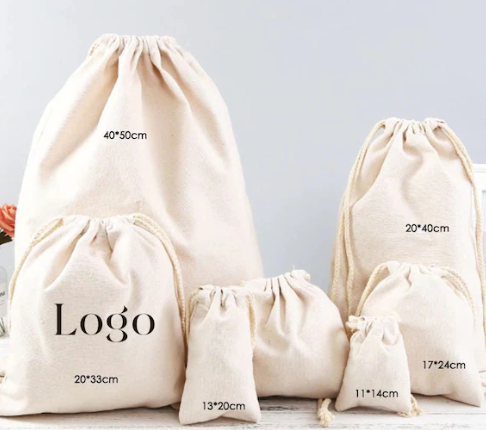
OEM vs ODM Manufacturing Difference
OEM and ODM split most sharply on upfront cost, speed to market, and who controls the product. The table below puts typical industry ranges side by side, though bag-specific numbers vary by factory.
| Dimension | OEM | ODM |
|---|---|---|
| Differentiation | High. Your structure, performance, and look are difficult for competitors to copy. | Medium to low. Several brands often share one base design, so differences come down to branding, packaging, and small cosmetic tweaks. |
| Upfront cost | High. Tooling often runs $5,000–$50,000, and complete development can reach $10,000–$100,000+. | Low to medium. Off-the-shelf designs carry no development fee. Simple logo or packaging work costs about $0.05–$0.50/pc, and minor tooling modifications run about $0–$2,000. |
| MOQ | Typically 500–5,000+ pcs. Complex builds or custom materials demand higher minimums. | Typically 50–500 pcs, depending on fabric stock, packaging requirements, and customization depth. |
| Sampling time | About 2–8 weeks. Tooling fabrication, lab testing, and repeated revisions add time. | About 1–3 weeks. Swapping a logo, colorway, or packaging takes a few days to two weeks. |
| Bulk lead time | 10–16 weeks from design freeze to mass production. Established supply chains and straightforward products can trim this to 6–12 weeks. | 1–3 months from catalog selection to production. Mature products can ship in 2–4 weeks. |
| Development control | You control specs, materials, quality standards, and engineering changes. | The factory retains the base design, BOM, and manufacturing process. You control color selection, exterior appearance, packaging, and approved modifications. |
| Switching factories | Easier if you own the CAD drawings, BOM, molds, test reports, and technical process files. | Harder. The factory owns the underlying design, tooling molds, and sub-suppliers, so moving often forces redevelopment or mold buyout fees. |
| Market risk | Slow launch and substantial upfront investment, offset by proprietary features that build competitive barriers and protect margins. | Fast product launch and cheap market testing, offset by duplicate competition, price wars, and reliance on one supplier. |
The trade-off in one line: OEM buys stronger differentiation and IP control with capital, technical input, and time. ODM buys speed and low initial costs at the expense of exclusivity and design control.
Common misconceptions
- Private label is not the same as OEM. Most private label bags are standard ODM catalog goods finished with a brand label, custom packaging, or minor visual adjustments.
- ODM does not mean zero customization. Options range from quick logo application to modified dimensions and custom tooling. Spell out all IP ownership terms directly in the contract.
- Owning a trademark is not owning the product IP. Registering a brand name gives you rights to the name, not the factory’s structural molds, patterns, or functional design.
- OEM is not always cheaper. High volume reduces OEM unit costs through scale, but small runs carry tooling and engineering fees that make per-unit pricing far more expensive.
The growth path: ODM, OEM, OBM
A third model, OBM (Original Brand Manufacturing), means you control the brand and the customer channel, whether you operate your own factory or contract the work out. The standard growth trajectory is to test market demand through ODM, shift proven best-sellers to OEM to lock down proprietary specs, materials, and tooling, and build independent distribution and pricing power through OBM.
OEM vs ODM Pros and Cons for Bag Brands
Your choice between OEM and ODM comes down to whether you compete on unique product features or speed to market. A custom bag factory can build for either route, though each brings different operational risks.
Which model fits which buyer?
| Buyer type | Usually prioritizes | Better starting route |
|---|---|---|
| Startup founder | Low cash exposure, low MOQ, fast proof of demand | ODM or lightly modified ODM. Move to OEM after validated sales. |
| Amazon seller | Fast listing launch, landed cost, review velocity, packaging compliance, and avoiding obvious competitor similarity | ODM for speed. OEM for differentiated features and a more defensible listing. |
| Shopify/DTC seller | Brand story, visual uniqueness, repeat purchase, long-term IP | OEM or heavily customized ODM |
| Brand procurement team | BOM transparency, factory capacity, QC standards, lead-time reliability, multi-season scalability | OEM for core products. ODM for seasonal or test collections. |
| Retailer | Margin, delivery windows, consistent quality, assortment uniqueness | ODM for fast assortment expansion. OEM for exclusive private label programs. |
A simple decision rule
- Choose OEM when the bag’s construction, function, or design is your competitive advantage and you can fund development plus inventory.
- Choose ODM when speed, budget control, and market testing matter more than exclusive product architecture.
- Consider a hybrid path. Launch an ODM base at 300–500 units, validate demand, then convert the best seller into an OEM version with exclusive materials, hardware, dimensions, or compartments.
Which Manufacturing Model Is Best for Your Bag Brand?
Pick the model that protects what makes your bag worth buying. If the product itself is your edge, build it through OEM. If speed and cash flow matter more, start with ODM.
Fit by bag type
- Best ODM candidates: promotional and canvas totes, basic daypacks, drawstring bags, standard laptop sleeves, and logo-customized duffels.
- Best OEM candidates: waterproof roll-top backpacks, hiking packs with engineered suspension, anti-theft laptop bags, modular travel systems, convertible bags, and luggage with custom hardware.
- Hybrid candidates: laptop backpacks, commuter bags, gym bags, and premium totes.
Technical outdoor backpacks rank low for ODM suitability because dialled-in fit, load distribution, and waterproofing require OEM development. Travel luggage rates medium, since molded shells, wheels, and telescoping handles demand thorough durability testing.
Start Your OEM or ODM Bag Project with Sunteam Bags
Now that you know whether OEM or ODM fits your bag design, you need a factory that can produce it. Forcing a complex OEM project onto a manufacturer that specializes in basic ODM rarely ends well. A flexible production partner solves this problem.
At Sunteam Bags , we adapt our production model to fit your brand. If you need speed to market, our ODM service provides a library of tested base designs. We customize these with your branding, preferred fabrics, and hardware tweaks.
If your design is proprietary—like a specialized hiking pack or a bag with custom compartments—our OEM team handles the production. We take your tech pack or rough sketches and manage material sourcing, sample iterations, custom tooling, and bulk production.
As your business grows, you will probably use both strategies. Starting with a supplier in China who handles OEM and ODM means you avoid hunting for a new factory when expanding your product line. Tell us about your budget and timeline, and we will find the best way to build your next collection.
FAQ About OEM/ODM Bag Manufacturing
Can I get a low MOQ for a fully customized OEM bag?
It may be possible, depending on the design and materials. Using available fabrics, zippers, and hardware can help reduce minimum order requirements. However, smaller orders may come with higher unit costs or separate development fees.
Can I get an exclusive ODM design?
Yes, if the factory agrees to exclusivity in writing. The contract should specify the design, territory, product category, duration, and any minimum purchase requirements.
What if I only have a sketch?
Many manufacturers can develop a tech pack from sketches, reference photos, or physical samples. To improve quotation and sampling accuracy, provide as much information as possible, including dimensions, materials, colors, logo files, and functional requirements.
Who owns the product design and tooling?
Ownership depends on the original design and the agreement between both parties. For OEM projects, the contract should clearly define ownership of technical files, patterns, molds, and custom components. For ODM projects, the factory generally retains ownership of its original design unless different terms are agreed upon.
Which clauses should the contract include?
- NDA: Scope of confidential data, permitted exceptions, effective term, and fixed financial damages for breaches.
- IP assignment: Clear ownership transfer dates for designs, production patterns, tooling, digital files, and billable revisions.
- Non-use: A ban on using your proprietary assets outside of approved purchase orders.
- Non-circumvention: Strict restrictions against contacting your clients, sales channels, or designated component vendors.
- Exclusivity scope: Specific geographical territories, product niches, sales platforms, contract duration, and minimum volume triggers.
- Unauthorized resale ban: Clear prohibitions covering factory overruns, cosmetic rejects, production samples, and reclaimed materials.
- Return or destruction: Mandatory procedures for returning or destroying technical files, molds, branded trim, and custom packaging upon contract termination.
- Remedies: Liquidated damages schedules, recovery of actual losses, immediate injunctive relief, and assigned legal fees.
Conclusion
Choose between OEM and ODM based on what your bag brand needs right now. OEM works best if you have the budget for a unique, proprietary design. ODM gives you a fast starting point to test the market without tying up cash.
Align your production strategy with your current growth stage. Sunteam Bags handles custom tooling and quick private label runs in China.
Share your reference designs or bag ideas with us to find the smartest path for your next collection. Request a quote and get your first sample today.
Recent Comments